October 2021: Stories We Want to Hear
Listen to this month’s offering as a podcast
Here in the Catskills, the days are shortening and cooling, the nights are crisp with clear, starry skies. The leaves are slowly changing colors + falling. The quality of light this time of year can just be so piercing. I’m finding a lot of energy and wonder in this seasonal transition and the approach of Halloween, Samhain, and the Day of the Dead. I wonder how the change of season is affecting you?
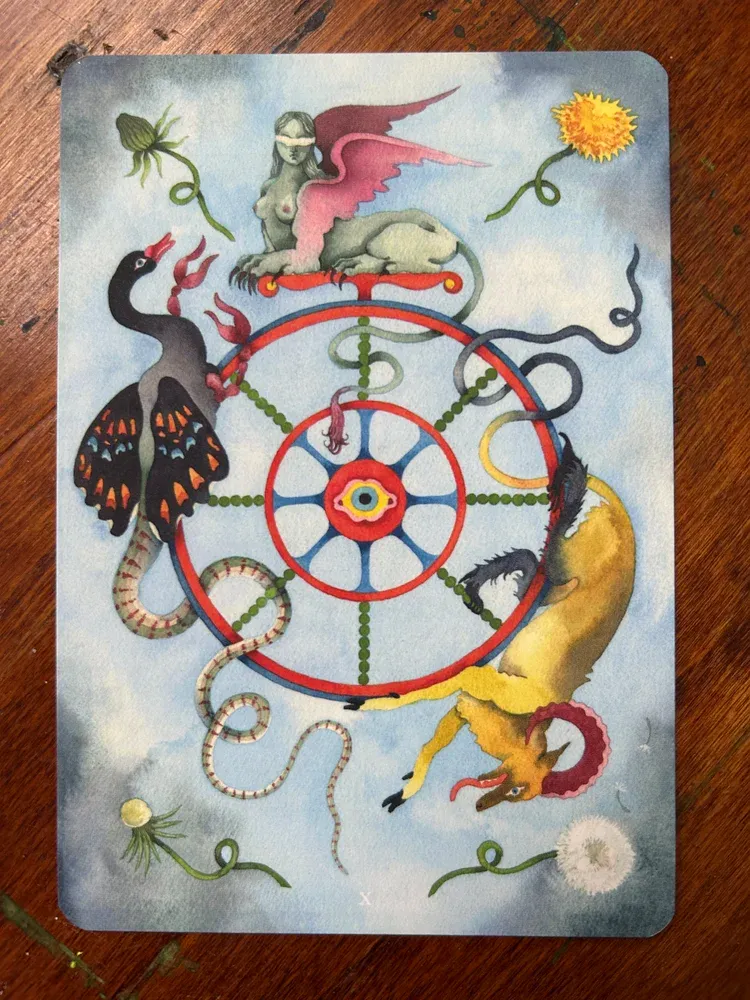
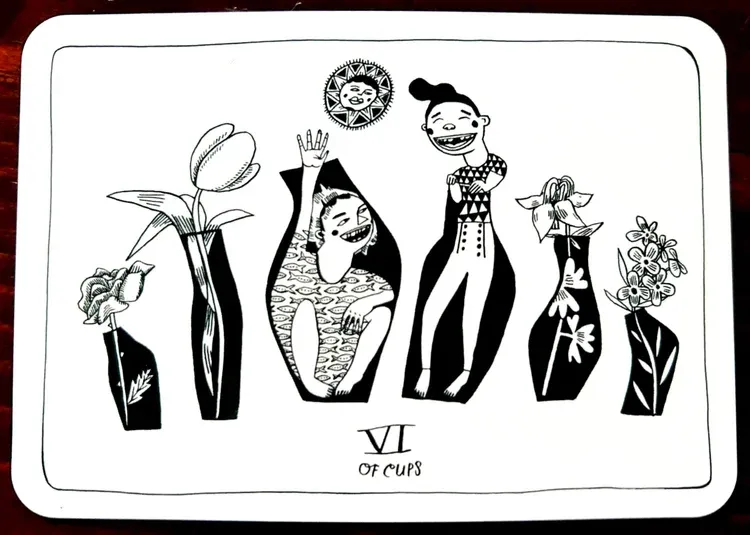
The new Study Tarot Series is so much fun!—chock-full .pdfs I’ve created for each constellation + lots of group-generated wisdom around how to use the cards for self-study. We’re continuing this month with the High Priestess and Minor 2’s. If you’ve always wanted to dip into tarot in community with others, there’s still some space in the Sunday afternoon and Monday evening sections.
I’ll be offering Tarot 101 one more time this year, on Thursday, November 11th at 5:30pm est. Perfect for the tarot-curious and for those who’ve dabbled but haven’t been able to get hooked…learn about how to develop your own entry points and relationship to the cards.
And: my books are open for readings in October.
Thank you to all of you who continue to support my work in so many amazing and generous ways.
In love + solidarity + collective imagining,
Shea in the Catskills
What’s Inspiring Me Now
- Libra season! And SURJ’s campaign to put a progressive in the Erie County Sheriff’s office! Last year we flipped GA, this year we need to flip this Sheriff’s Office. You can join us on the phones, or canvass if you’re local to Erie County, or donate to support this work.
- voice lessons!
- Ayana Young’s conversation with Woman Stands Shining (Pat McCabe) on the For the Wild Podcast. “…all of my spiritual practice has afforded me and allowed me to experience…what I have come to know and what my elders have told me is that the intellect is the least reliable way of knowing anything.”
- These Wilds Beyond Our Fences: Letters to My Daughter on Humanity’s Search for Home by Bayo Akomolafe. “What could be better than an answer to a question? The gift of bewilderment…. The terrain breaching the neatness of the map. Confusion—or better yet, con-fusion: a mixing together, a messy mangling of things. The motif of becoming generously lost.”
- I re-read Madeline Miller’s Song of Achilles (when will there be a new juicy novel by her!?!?), and it was just as thrilling, Odysseus was just as sexy, and the whole thing was just as tragic…and I loved every page of it.
- Eyes on the Prize: Hallowed Ground on HBO Max. I remember going to the Bobst Library at NYU to watch the original series Eyes on the Prize for my classes. This new documentary explores the past, present, and future of Black liberation through voices from today’s justice movements.
- Where Should We Begin: A Game of Stories by Esther Perel. I ordered this after I heard Perel on the Hear to Slay podcast, and it finally arrived. While she’s designed it like a whole game, it’s been so delicious to just pull off a stack of cards with a friend, or group of friends, and take turns telling stories we’ve never told before!
- I love hearing people talk about making things. Probably it’s one of the things I love very most in this world. The latest episode of Small Things Brought Together with textile artist Mackenzie Kelly Frère really got me thinking about the dynamic tension between structure/rules + freedom.
- Talking about money…I’ve been thinking about reprising the Let’s Talk About It: Money series…if this is something you’d be interested in participating in, let me know!
Stories We Want to Hear
What if I’m just telling myself what I want to hear?
This is one of the most common questions I hear from people who are new to studying tarot and reading their own cards. I’ve thought a lot about this, and asked the question of myself, many times. What if I’m just telling myself a story about the cards that makes me feel better—and the unspoken part: but that isn’t real or true?
My first response to that is to point out that most of us are pretty habituated to tell ourselves stories that make us feel terrible—about ourselves, about other people, and the world. I don’t know about you, but my default setting is a mix of worry, catastrophizing, and a generalized harshness toward myself. In the past couple years, I’ve taken more active measures to correct this by practicing re-orienting to different stories, feelings, sensations and mindsets. So, in my humble opinion, we can afford to add some feel-good to the mix of stories we tell ourselves.
Second, whenever this question occurs to us, we could stop and ask ourselves: Why is this a story that I want to hear? A story that makes me feel better? What specifically about this story I’m telling myself makes it a story I want to hear? This is really potent, important, and useful information.
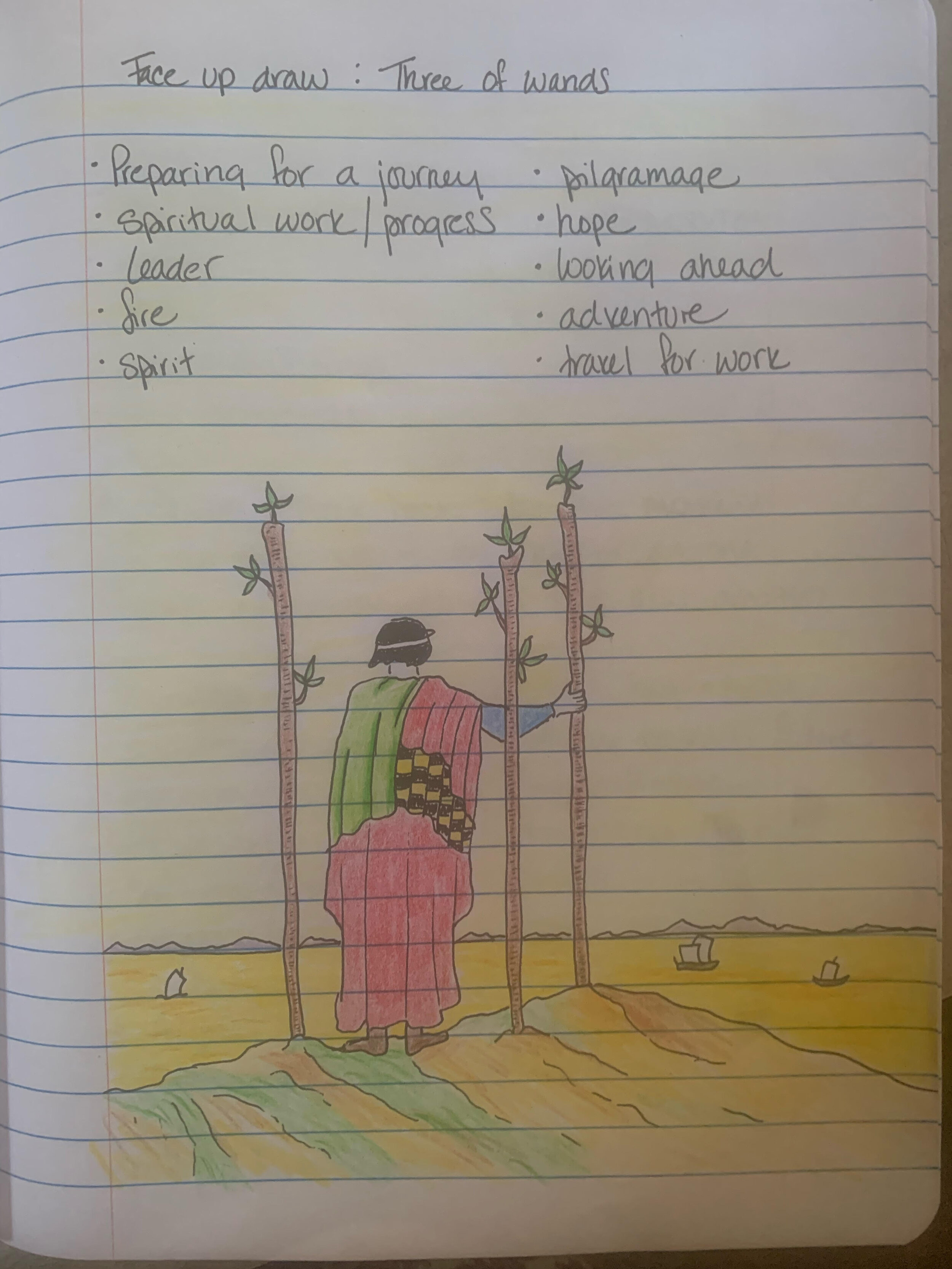
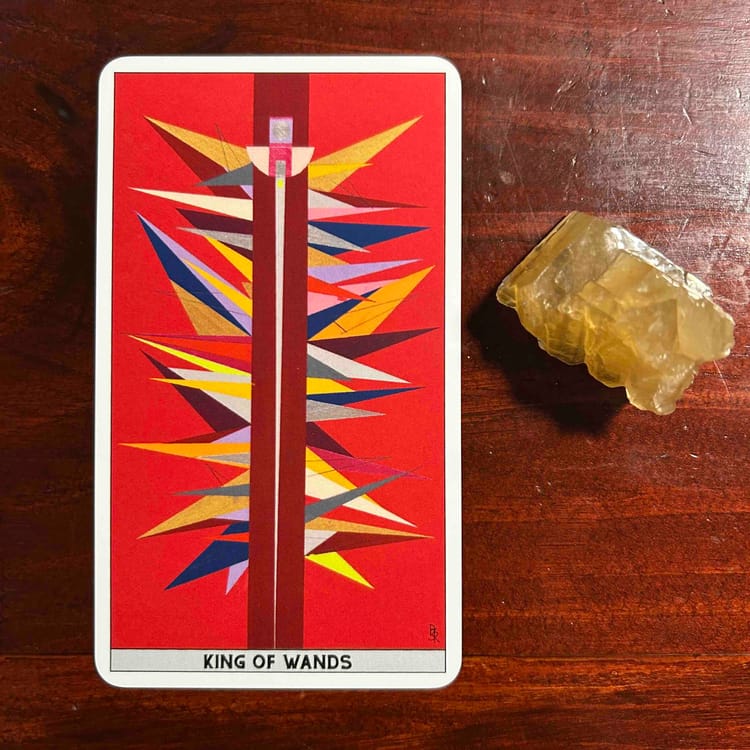
Knowing my own desires continues to be a challenge. So anything that puts me on the scent of that trail feels like good medicine. It’s why I talk so much about face-up card pulls in my tarot classes. It is one thing to ask a question, shuffle the cards and pull them at random—a wonderful and powerful way to receive information from the deepest part of ourselves, to be sure. And: to ask a question and flip through the deck face-up, registering my response to the images through sensation and emotion—is its own very powerful practice. What cards are calling to me? Saying, Me! Me! I am an answer to your question!
We may not understand why we’ve chosen a face-up card until we sit down with it and let it talk to us. We can journal about it—first by describing it visually, without any interpretation. Then, as we let our pen and mind loosen, we can engage with the image in a kind of conversation. Why did we pick this card? Or: why do we think we picked this card? And then: why else may we have picked this card? We can leave it out where we’ll walk by it throughout the day and let it work on us. We can let it reveal its answers to us over time. We can leave room to surprise ourselves.
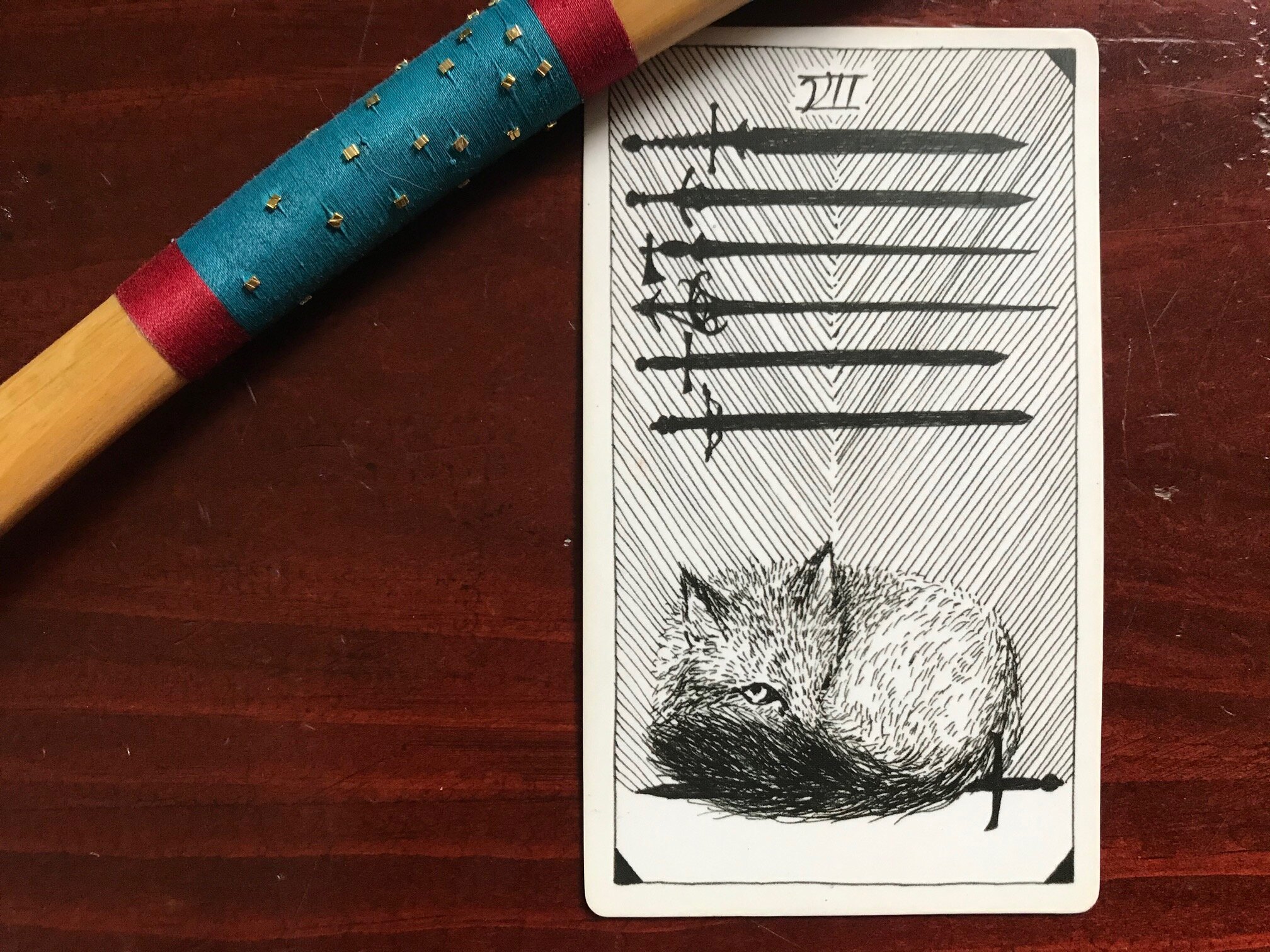
The Seven of Swords in the tarot is typically read as “deception” or “betrayal,” and there are times when this is going to be exactly the right story to tell in a reading. And: this card—like every card in the tarot—is its own cabinet of curiosities. I tend to think of the minor 7s as “complexity,” and so in the airy suit of swords this becomes: “mental complexity.” The mental convolutions that cause us to deceive ourselves are the same twists and turns that can put us on the trail of a good story. The difference comes in doing it consciously, intentionally. Knowing that we’re doing it.
The beauty of a question like “What if I’m just telling myself a story I want to hear?” is its potential to nudge an unconscious story into the light, where we can look at it and play with it. I also think of the Seven of Swords as the “editor” of the tarot. The “decider” about what gets revealed and what gets concealed. The one who knows when to disclose and when to obscure. Again, we do this all the time, mostly without knowing it or thinking about it. This card invites us to engage the process intentionally, playfully, experimentally, narratively.
This card also invites us to be honest enough with ourselves to discern when a helpful story might be more important than a true story. Because I think the darkest kernel of the question What if I’m just telling myself what I want to hear? is something like: What if I’m lying to myself? If that question can even occur to us, there’s something inside of us that actually already cares about our integrity, our wholeness.
I think what can make it feel so complicated is the extent to which we are lied to by the overculture on a micro- and macro-basis, every day, about so many things: police + prisons keep people safe, capitalism isn’t that bad, the gender binary is real, technology can reverse the climate crisis. When the culture’s lies are so pervasive and normalized, it’s understandable to experience cognitive dissonance, to wonder what is really true.
It’s normal and human to have blind spots, to not be totally aware or conscious of what’s moving us at any given moment. We can let that fact soften us to ours and others’ blind spots as we aspire to see ourselves with more nuance and complexity. I think that practicing orienting to our desires can only help in this process. Being honest about what we really want, whether we ultimately decide to actualize that desire or not, is one way of throwing some light on those dark corners. But human-ing is a messy, tangled business. Grace—for ourselves and each other—is such a powerful medicine.
I believe we can afford to trust ourselves a lot more than we currently do. Telling yourself a good story, a pleasurable story, a story that makes you feel excited, inspired, comforted, confident, connected, or even just okay? That’s medicine, in my opinion.
Find out more about my tarot work.